Written By Angelo M. Gandia
The food service sector is a fundamental component and one of the solid foundations for sustainable economic growth in every nation. (Deloitte, 2018). The 2020 Annual Survey of Philippine Business and Industry (ASPBI) conducted by the Philippine Statistics Authority (PSA) showed that the sector reached Php550B in total revenue coming from the recorded 29,384 establishments nationwide, where 76% (22,366) are restaurants and mobile food service activities. The Philippine food retail sector has demonstrated remarkable resilience and adaptability in the post-pandemic landscape. As of 2025, it has become one of the key growth drivers in the country’s retail property market, supported by strong domestic consumption, the resurgence of tourism, and the rise of experiential dining as a major consumer behavior trend. The retail occupancy in Metro Manila’s major malls is expected to return to pre-pandemic levels by 2026, driven largely by the expansion of premium brands and the evolution of food and beverage (F&B) establishments into lifestyle destinations.
Dining-out culture has evolved beyond mere consumption — it is now a social and cultural experience, blending gastronomy, ambiance, and design. This transformation has led to the proliferation of mixed-use developments integrating high-end restaurants, boutique retail, and leisure spaces. Developers such as Ayala Land, SM Prime, and Megaworld have actively curated retail environments centered on food experiences, which have become anchor attractions in high-value commercial spaces.
Against this backdrop of vibrant consumer spending and lifestyle transformation, the arrival of the MICHELIN Guide in the Philippines represents a milestone that could redefine the dynamics of the country’s retail and dining ecosystem.
The MICHELIN Guide: Global Prestige and Local Entry
The MICHELIN Guide, one of the world’s most respected authorities on culinary excellence, made its long-awaited debut in the Philippines with the release of the MICHELIN Guide Manila and Environs & Cebu 2026 on October 30, 2025 at the Manila Marriott Hotel, Newport World Resorts. The launch marked a pivotal moment in the Philippines’ integration into the global gastronomic map.
The 2026 selection includes 108 food establishments, categorized as follows:
• 1 Two MICHELIN Star restaurant
• 8 One MICHELIN Star restaurants
• 25 Bib Gourmand recipients
• 74 MICHELIN Selected establishments
See the Full List here: https://guide.michelin.com/ph/en/selection/philippines/restaurants
Additionally, the inaugural Philippine edition introduced one Green Star recognizing sustainable gastronomy and three Special Awards for excellence in Young Chef, Service, and Exceptional Cocktail categories (MICHELIN Guide, 2025).
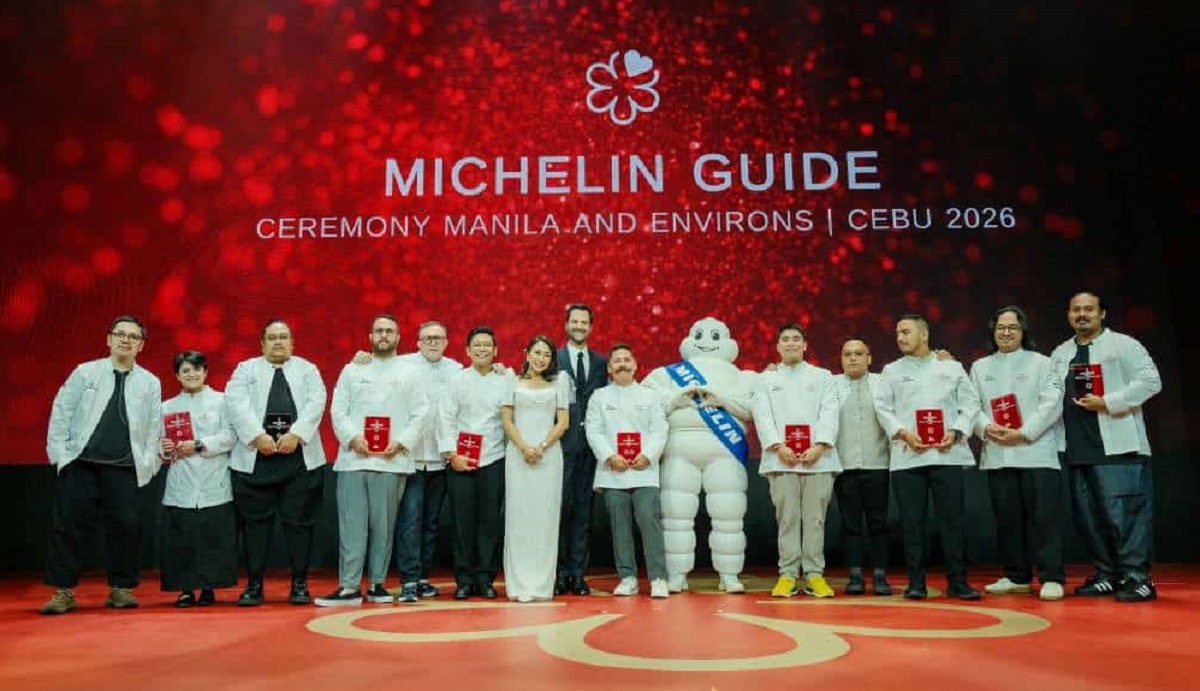
Photo by The Manila Times
The Geography of Excellence: Concentration of Michelin-Winning Establishments
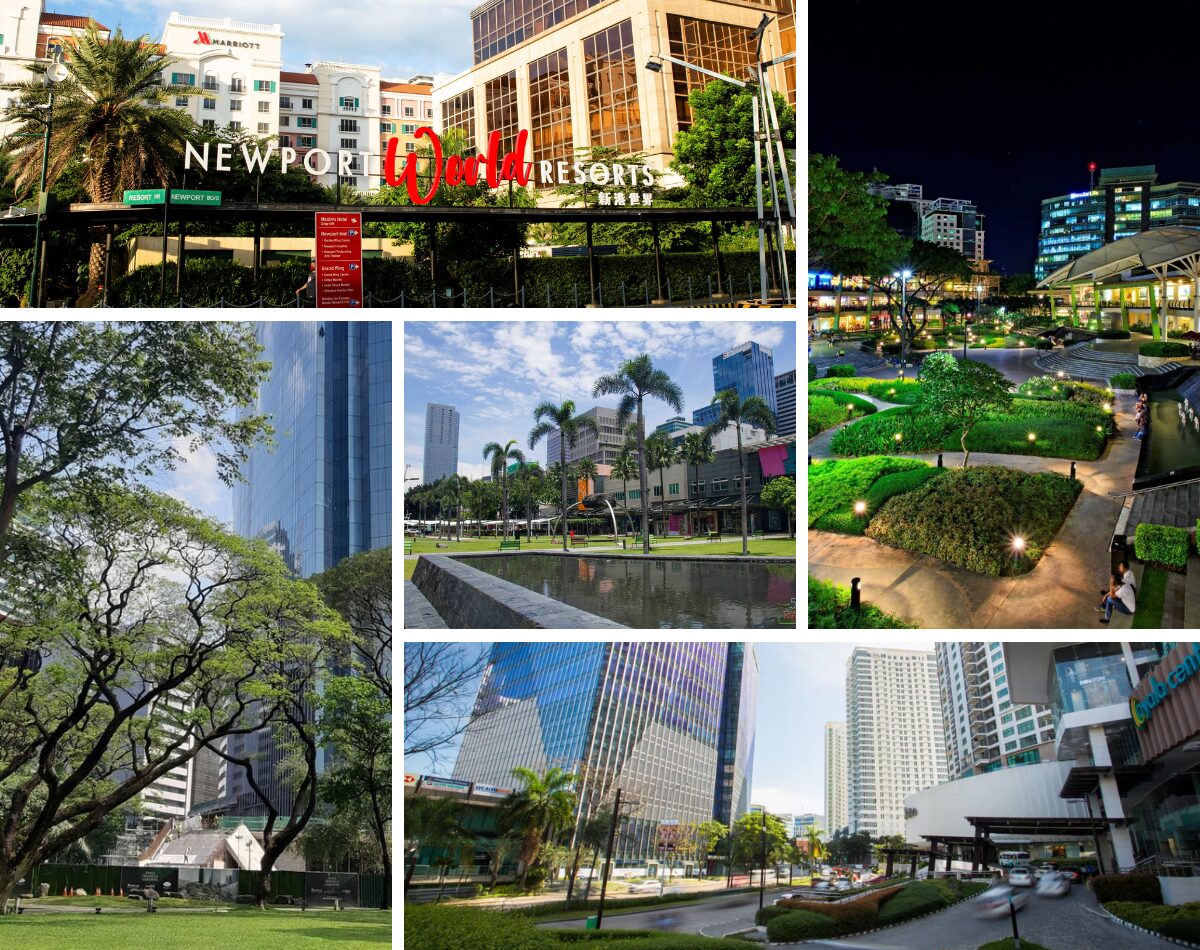
An analysis of the awarded restaurants reveals a geographic concentration in high-value commercial districts. In Metro Manila, most MICHELIN-starred and Bib Gourmand establishments are situated in Makati, Bonifacio Global City (BGC), and Pasay, specifically within luxury retail and mixed-use developments like Ayala Triangle Gardens, One Bonifacio High Street, and Newport World Resorts.
Meanwhile, in Cebu, the recognized establishments are located within Cebu IT Park and Cebu Business Park, two of the most developed urban centers in the Visayas region. This clustering demonstrates the symbiotic relationship between culinary prestige and prime real estate — high-end restaurants naturally gravitate toward areas with affluent consumers, corporate activity, and premium infrastructure.
The Economic Impact of MICHELIN Recognition to the Retail Sector
The introduction of the MICHELIN Guide significantly influences retail occupancy rates in the host commercial areas. Restaurants awarded with MICHELIN distinctions typically experience a 20% to 50% surge in patronage within the first six months of recognition. This increase in foot traffic benefits not only the restaurant but also neighboring tenants within the same retail development.
Culinary Tourism and Consumer Spending
The MICHELIN Guide’s entry is expected to accelerate culinary tourism in the Philippines. Cities like Bangkok, Tokyo, and Singapore witnessed measurable increases in inbound tourism following their respective MICHELIN introductions. In the Philippine context, the synergy between tourism, hospitality, and real estate is clear — hotels, retail centers, and mixed-use estates benefit from increased occupancy and spending. The MICHELIN Guide’s entry is expected to accelerate culinary tourism in the Philippines. Cities like Bangkok, Tokyo, and Singapore witnessed measurable increases in inbound tourism following their respective MICHELIN introductions — not just from food enthusiasts but from high-spending travelers who associate fine dining with luxury experiences.
In the Philippine context, the synergy between tourism, hospitality, and real estate is clear. Hotels, retail centers, and mixed-use estates benefit from increased occupancy and spending. Tourist arrivals to Metro Manila and Cebu are projected to rise by 5–8% in 2026, partially attributed to gastronomic tourism linked to MICHELIN destinations (Department of Tourism, 2025).
Local economies also gain from the “halo effect” — a MICHELIN-starred restaurant elevates the perception of surrounding dining establishments, encouraging investment in design, service, and quality. This contributes to a rising standard of retail dining experiences across major developments.
The Accretive Value to Retail Property
From a property economics perspective, MICHELIN-rated restaurants add value accretion to retail assets. They serve as anchor tenants for high-end commercial spaces, often replacing or complementing luxury retail as a key draw for affluent patrons. In retail valuation, properties housing global award-winning restaurants typically command higher rental premiums and lower vacancy risks.
The prestige of being a MICHELIN host location enhances the perceived brand equity of the property, attracting more discerning tenants and investors. For example, Bonifacio Global City and Ayala Avenue developments — already prime commercial nodes — are expected to experience rental uplifts of 5–7% in select zones due to enhanced brand perception and sustained visitor activity
When Stars Reshape the Commercial Landscape
The debut of the MICHELIN Guide Philippines symbolizes more than culinary recognition — it represents a structural elevation of the Philippine retail property sector. As dining becomes an experiential anchor, the interplay between gastronomy, tourism, and real estate will intensify.
Developers and investors are likely to recalibrate leasing strategies, giving greater weight to prestige dining concepts as key traffic generators. Moreover, local entrepreneurs are now incentivized to meet international standards of hospitality, design, and sustainability, creating a competitive ecosystem that raises the bar for retail environments nationwide.
Ultimately, the MICHELIN Guide’s arrival is not just a celebration of Filipino culinary artistry — it is a testament to the Philippines’ readiness to compete globally, economically enriching the commercial, tourism, and property sectors that surround its finest kitchens.
Aviso Valuation & Advisory Corp. supports resilient infrastructure by aligning flood control with sustainable growth. Our expertise in valuation, feasibility, and community development ensures these projects drive both protection and urban progress.
________________________________________________
- (2025, October 31). MICHELIN Guide arrives in the PH, raising questions about cost and tourism. https://bnc.ph/michelin-guide-arrives-in-the-ph-raising-questions-about-cost-and-tourism/news/
- (2025). Real-estate market shows renewed momentum in Q3 2025. https://realestatenews.ph/national/real-estate-market-shows-renewed-momentum-in-q3-2025
- net. (2025, October 30). 9 Philippine restaurants earn much-coveted MICHELIN Star rating. https://business.inquirer.net/555565/9-philippine-restaurants-bag-much-coveted-michelin-star-rating
- Philippine Star Life. (2025, October). The MICHELIN Guide: Over 100 Manila and Cebu restaurants included in the inaugural PH list. https://philstarlife.com/living/248876-michelin-guide-philippines-list-of-restaurants
- Rolling Stone Philippines. (2025, October). Full list: These are the first-ever MICHELIN-starred restaurants in the Philippines. https://rollingstonephilippines.com/culture/food/inaugural-michelin-guide-philippines-2026/
- SunStar Manila. (2025, October 31). Inaugural MICHELIN Guide 2026 puts Philippines on global culinary map. https://www.sunstar.com.ph/manila/inaugural-michelin-guide-2026-puts-philippines-on-global-culinary-map
- Tatler Asia. (2025, October 30). MICHELIN Guide 2026 Philippines: 108 restaurants made the list, but which restaurants won stars? https://www.tatlerasia.com/dining/food/michelin-stars-philippines-2026
- The MICHELIN Guide. (2025, October 30). Philippines full selection 2026. https://guide.michelin.com/ph/en/article/michelin-guide-ceremony/philippines-full-selection-2026
- Aviso Valuation & Advisory. (2025). Market insights: Retail sector and consumer trends in the Philippines. Internal Report.