The outbreak of COVID-19 challenged the public health system as the country continues to grapple with this infectious disease. The shortage in specialized care facilities, personal protective equipment, and medical personnel still remains to be a primary concern of the medical industry in a bid to contain the virus.
Compounding the situation, the recruitment of registered Filipino nurses by foreign markets resulted in a brain drain of the healthcare system, which then deteriorated the quality of care the Filipinos are receiving. In an article published by Bloomberg, it was stated that the Philippines supplied more nurses overseas compared to the number of what the country produced— this occurred in 2015, where more than 22,000 nurses were deployed overseas and only 18,700 nurses passed the board exams.
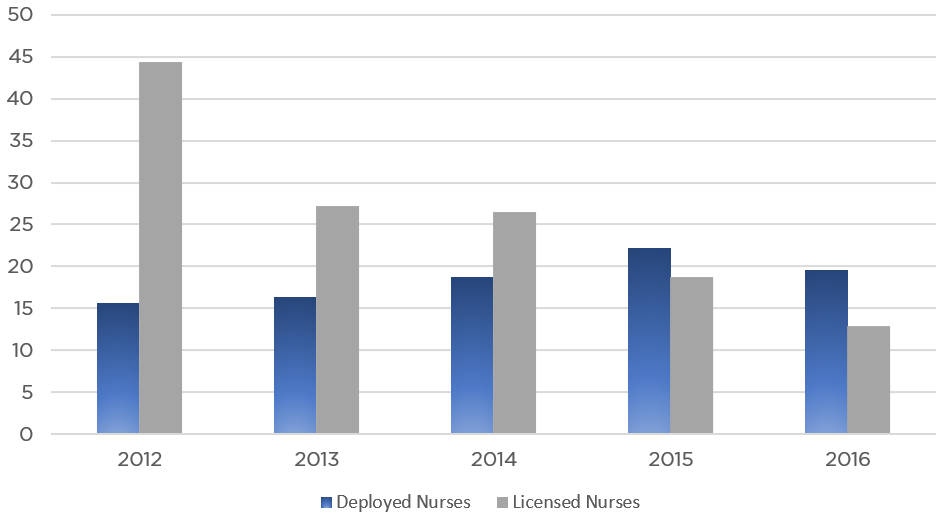
Figure 1: Deployed Nurses vs. Licensed Nurses
Source: Philippine Overseas Employment Administration, Commission on Higher Education
Another issue is the inadequate attention to research and development and rehabilitation of healthcare facilities. These two deficiencies consequently limit the medical coverage for the Filipinos. Although, the Department of Health (DOH) stated that there are limitations with regards to their mandate, especially when it comes to regulating emerging health facilities and deployment of healthcare professionals.
According to DOH, the total bed capacity in the country is 101,688 hospital beds, where 47% are government hospital beds (47,371 units) and 53% are private hospital beds (54,317 units). This implies that on the average, one hospital bed was able to serve 1,010 people in 2016, which is almost close to the DOH target ratio and WHO recommendation of one hospital bed per 1,000 population. But, the reported ratio of one government physician to 33,000 Filipinos is way behind the recommended 1:1,000 doctor to population ratio from the WHO.
The strain in the healthcare industry risks the lives of physicians, nurses, and hospital aides. DOH released in a report that 2,067 healthcare workers were infected by the virus and 35 of which succumb to the disease (as of May 12, 2020), whereas the Philippine Medical Association firmly stated that fewer health personnel would have been infected with COVID-19 if there had been more personal protective equipment (PPE) available for them.
The prevalent increase in the number of confirmed COVID-19 cases not only maximizes the capacity of hospitals, but also heightens the fear of the middle and low-income families including the urban poor, where, according to the Philippines Statistics Authority (PSA), 53.9% of the total health expenditures, based on payment schemes, were paid by the households. The same agency also disclosed that the per capita spending of Filipinos for health amounts to PhP6,391 in 2018.
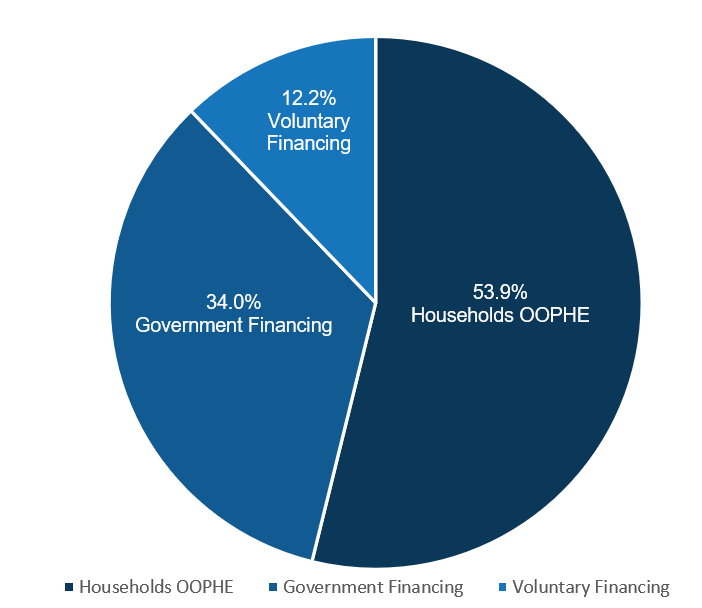
Figure 2: Total Health Expenditure, Based on Financial Schemes
Source: Philippine Statistics Authority
A pandemic reveals the strengths and weaknesses of public health. The innovations in this industry are not solely limited to pharmaceutical products and vaccines but also developments in medical apparatuses and systems. The infusion of technological advances in healthcare with progressive real-time communication, coordination, and collaboration tools will minimize the risk of local transmissions. Likewise, telehealth and telemedicine; and predictive analytics and knowledge management will enable remote clinical observations and disease management. These are some options that will limit the risks of infections and will improve surveillance of outbreaks. Together with the use of drones to transport medical supplies, to conduct thermal imaging tests, and to deliver consumer goods in places with restricted living conditions and access, stretches the scope of reach of the medical industry.
This industry is complex by nature— education, incentives, and medical infrastructure should be the primary concern of regulators to minimize brain drain and to solve the deficiency in medical personnel throughout the regions of the country. It is expected that this industry will invest in care facilities providing emergency hospital beds and expanding its coverage after the occurrence of the COVID-19 pandemic. The data released by the Commission on Higher Education (CHED), shows a decreasing trend in the number of graduates under the field of medical and allied sciences. This is alarming for the medical industry, because these figures also mirror the supply of medical personnel in our country.
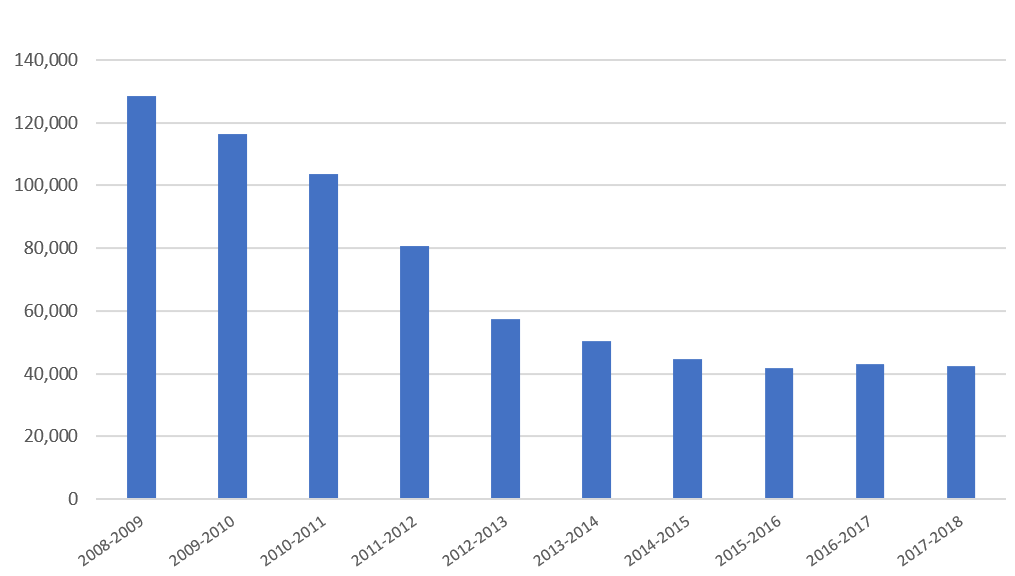
Figure 3: Medical and Allied Sciences Graduates
Source: Commission on Higher Education
In light of the on-going crisis, private insurance companies released memorandums expanding its coverage in relation to the COVID-19 pandemic. The recent events produced uncertainties in the economy globally and this crisis might prompt an increase in the value of insurance premiums if the virus will prolong until the coming years, where the costs of risk of infection will be included in the proposed rates in the succeeding years. But there will be minimal adverse effects on insurance premiums the sooner the virus is contained. For instance, in the case of the insurance market in California, regulators have delivered a prediction of an extra 4% up to 40% surge in private insurance premiums.
In the Philippines, the amount of PhilHealth contributions was already revised late last year to keep the National Health Insurance Fund afloat. The gradual increase in the percentage of contributions will allow greater coverage of the healthcare industry to the people and guarantees that Filipinos are eligible for out-patient benefit packages (see Table 1). For the private sectors, since private health insurance is included in its salary package and benefits for its employees, the price of the companies’ goods and services sold may also increase as a response to the additional cost of labor for its employees. Lastly, for the individual consumers, the intermittent occurrence of viral infections will eventually affect our decision making with regards to a wider scope of insurance coverage for personal use and for protection in times of uncertainties. Insurance companies are expected to benefit from the COVID-19 pandemic, assuming that there will be an increase in demand for insurance packages from firms and individuals, considering the effects of an outbreak.

Table 1: Adjustments in PhilHealth Contributions
Source: PhilHealth Circular No. 2019-0009
This crisis will reshape the health system in the long run. Although there are several factors that are needed to be addressed simultaneously, one thing is certain for this industry— prioritizing healthcare for the people will remain as its absolute goal. This turmoil on public health have realigned the national budget and paralyzed the economy, but the main challenge for the national government is to mitigate the adverse effects of a trade-off between saving the economy and saving the lives of its people.
Written by: Thea Bathan
________________________
REFERENCES:
[1.] https://www.bloomberg.com/news/articles/2020-04-23/philippines-sends-nurses-around-the-world-but-lacks-them-at-home [2.] https://www.doh.gov.ph/sites/default/files/health_magazine/NOH-2017-2022-030619-1(1)_0.pdf [3.] https://www.ibon.org/covid-19-and-the-philippine-healthcare-system/ [4.] https://www.cnnphilippines.com/news/2020/4/17/over-700-health-workers-infected.html [5.] https://www.pna.gov.ph/articles/1102664 [6.] https://psa.gov.ph/pnha-press-release/node/144466 [7.] https://www.china-briefing.com/news/investment-opportunities-chinas-healthcare-sector-after-covid-19/ [8.] https://www.vox.com/coronavirus-covid19/2020/4/1/21202148/health-insurance-premiums-coronavirus-covid-19 [9.] https://www.inquirer.com/health/coronavirus/coronavirus-covid19-insurance-premiums-20200331.html [10.] https://www.philhealth.gov.ph/news/2019/new_contri.php
_________________________
Aviso Valuation and Advisory Corp. is a real estate consultancy firm that offers valuation and business advisory services compliant to international standards such as the International Valuation Standards (IVS) and International Financial Reporting Standards (IFRS). To assure that we only produce high-quality deliverables, as needed, we do tasks beyond the usual appraisal process like verifying pertinent property documents (i.e. land titles, tax declarations, etc.) with the appropriate government agencies for due diligence purposes prior the acquisition of the properties.