Written by: Mary Grace C. Ladringan
The Philippines is rapidly adopting sustainable real estate as a key aspect of urban development. With growing environmental concerns and increased awareness of climate change and energy costs, developers, investors, and tenants are prioritizing buildings that meet global sustainability standards. This shift is reshaping real estate economics, affecting property values, investment choices, and the planning and construction of future cities.
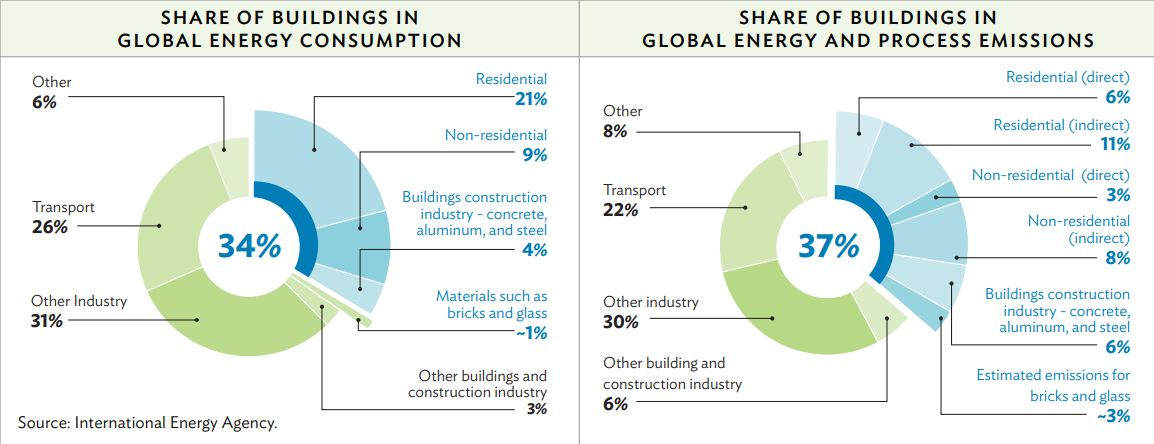 ACGF INNOVATIVE FINANCE CLINIC
Green Building Certification: LEED and BERDE
Green building certifications are central to sustainable real estate, providing benchmarks for environmental performance throughout a building’s life cycle, from design to management. Some of the most recognized certifications include LEED (Leadership in Energy and Environmental Design) and BERDE (Building for Ecologically Responsive Design Excellence). LEED, established by the U.S. Green Building Council, is an international framework that assesses energy efficiency, water usage, indoor environmental quality and resource-efficient materials. BERDE was created by the Philippine Green Building Council to address local climate challenges and building conditions while aligning with global best practices.
Certification Benefits — At a Glance
|
Certification |
Primary Focus | Impact on Value |
| LEED |
Energy, water, materials, indoor environmental quality |
Higher rental rates, tenant demand |
| BERDE |
Locally‑adapted sustainability practices |
Regulatory alignment, operational savings |
| EDGE Zero Carbon | Energy efficiency, water, materials + full renewable energy | Lower carbon footprint, cost savings |
| WELL (Emerging) | Occupant health, comfort, wellbeing |
Enhanced employee productivity, premium tenancy potential |
Green certifications provide both operational efficiencies (through reduced utilities and maintenance) and market advantages (such as higher rents and enhanced occupancy), which together support stronger asset performance over the long term.
Certified green buildings aim to reduce environmental impact through innovative design features such as passive cooling, energy-efficient systems, rainwater harvesting, and low-emission construction materials. These features are not merely decorative. For example, the ArthaLand Century Pacific Tower in Bonifacio Global City, one of the Philippines’ first dual LEED and BERDE certified towers, uses high-efficiency glass façades that reduce heat gain by up to 70%, rainwater harvesting for irrigation, and smart sensors to optimize electricity use. Together, these elements can significantly lower utility costs over time, making certified buildings attractive both environmentally and economically.
Green building certifications also serve as signals of a development’s commitment to sustainable and resilient design principles. As ESG (Environmental, Social, and Governance) considerations become more important in corporate and investment strategies, certifications like LEED and BERDE help real estate assets stand out in a crowded marketplace, especially among tenants seeking to meet their own sustainability goals.
Impact on Property Values
A key economic argument for sustainable real estate is the “green premium,” which refers to the measurable increase in property value, rental income, and occupancy rates for environmentally certified buildings. Studies across global markets show that green-certified buildings consistently outperform conventional properties financially.
According to CBRE research in 2022, environmentally certified buildings indicate that sustainability credentials such as LEED or other green certifications can significantly influence market demand and property valuation. A study examining green-certified office buildings found that LEED-certified properties command an average rental premium of approximately 3–4% compared to similar non-certified buildings, even after controlling for factors such as building age, size, and location. This premium reflects growing tenant demand for energy-efficient, environmentally responsible office spaces that align with corporate sustainability goals and environmental, social, and governance (ESG) standards.
In Asia, the economic impact of green certification has also been widely observed. Empirical research on Singapore’s real estate market found that green-labeled buildings achieve measurable price and rental advantages due to consumer awareness of sustainability benefits, particularly in markets with strong environmental regulations and corporate sustainability commitments (Chegut, Eichholtz, & Kok, 2020).,Singapore’s Building and Construction Authority also reported that over half of property buyers are willing to pay a 3–4% price premium for environmentally certified properties, while many developers and investors recognize that green buildings offer higher resale values and improved marketability, according to the Economic Development Board of Singapore.
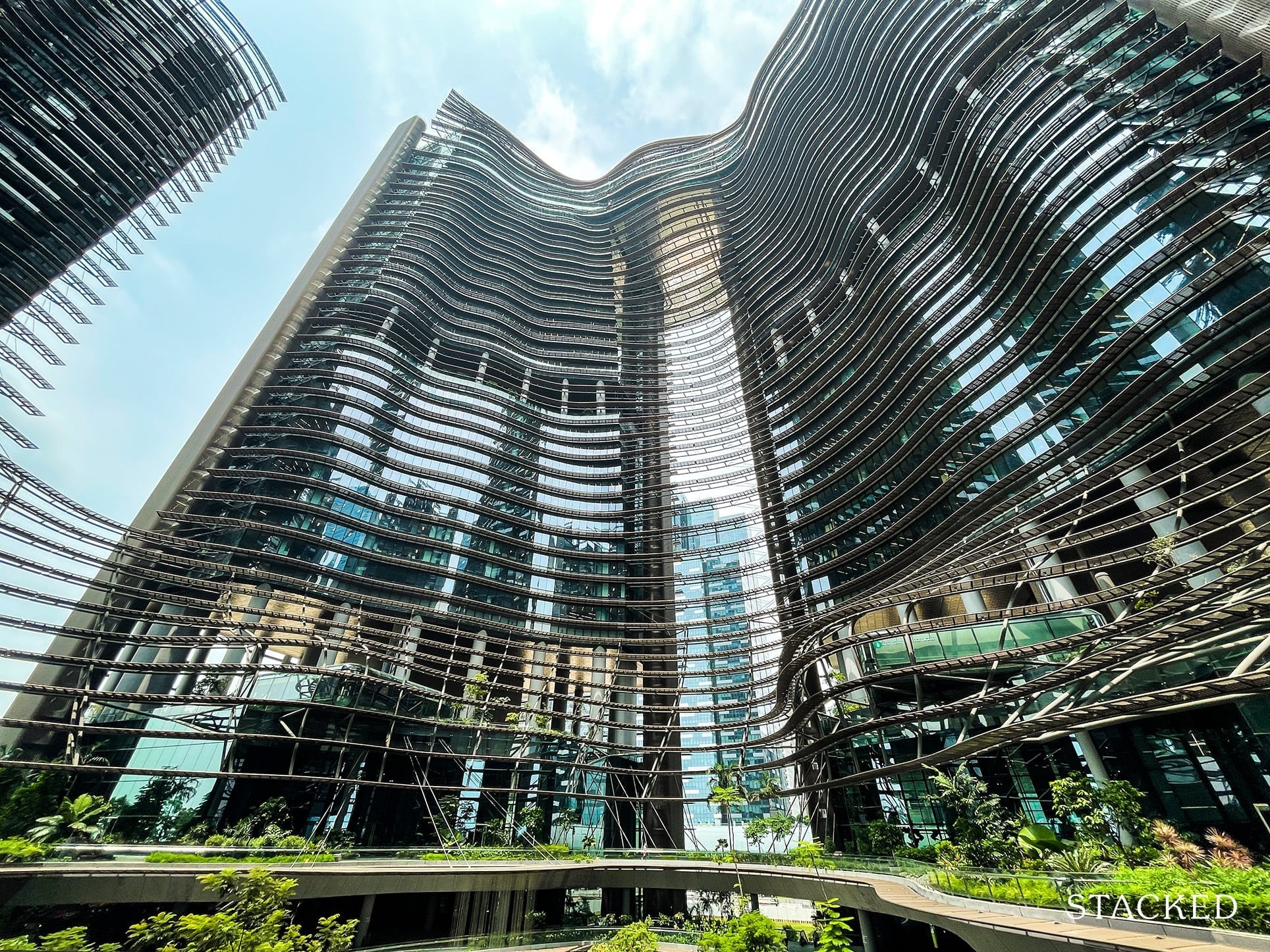
Marina One in Singapore
Marina One in Singapore’s Marina Bay district is a leading example of sustainable real estate in Southeast Asia. This integrated development, featuring Grade-A office space, luxury residences, and retail areas, has achieved both LEED Platinum certification and Singapore’s Green Mark Platinum rating, the highest levels under international and local standards.
Marina One features several green design elements, such as optimized building orientation that reduces solar heat gain by 20 percent, rainwater harvesting, energy-efficient lighting, and extensive vertical greenery in its central “Green Heart” garden. These strategies improve energy efficiency and enhance the indoor environment for occupants.
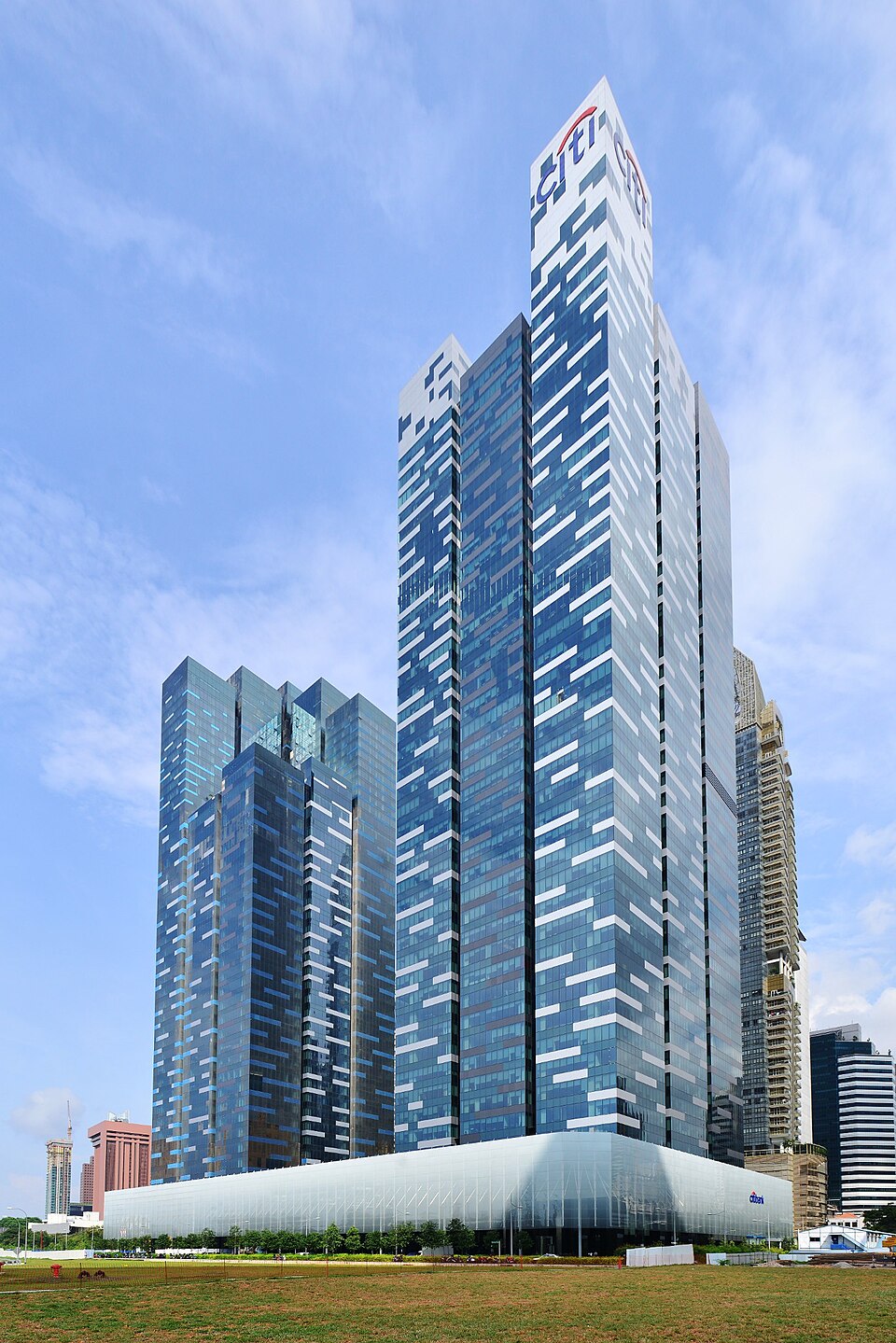
Asia Square Tower 1
Asia Square Tower 1, a commercial office building in Singapore’s financial district, has achieved LEED certification and the Green Mark Platinum Super Low Energy rating. It incorporates solar photovoltaic systems, high-efficiency air-handling units, and LED lighting to significantly reduce energy use and improve indoor environmental quality.
Green buildings also demonstrate stronger financial performance through higher occupancy rates and tenant retention. Tenants increasingly value sustainability, as energy-efficient buildings lower operating costs, improve indoor environments, and support corporate environmental goals. Consequently, green-certified buildings often have lower vacancy rates and more stable long-term leases, especially in major urban markets.
In Southeast Asia, as governments adopt more climate policies and sustainable development frameworks, the value of sustainable real estate is expected to increase. The Asian Development Bank reports that green buildings can reduce energy use by 20–30% and water use by 30–50%, resulting in significant operational cost savings for tenants and owners. These efficiencies directly enhance asset values, as investors consider lower lifecycle costs and stronger regulatory compliance in property valuations.
Sustainable construction materials and design strategies also improve building durability and long-term performance. Green buildings often use high-quality insulation, efficient mechanical systems, and durable materials to reduce maintenance costs and environmental impact. These features extend building lifespan and lower lifecycle costs, making them more attractive to institutional investors and long-term asset managers.
In the Philippines, the adoption of green building standards such as BERDE and LEED is shaping market expectations. Developers increasingly recognize sustainability as both an environmental responsibility and a strategic investment that enhances asset performance. As demand for environmentally responsible developments grows, green-certified properties are likely to achieve higher market premiums and attract greater investor interest.
Conclusion
The rise of sustainable real estate in the Philippines reflects a broader shift in how cities are envisioned for the future, not only as centers of economic activity but also as healthy, resilient, and environmentally responsible places to live and work. Green building certifications like LEED and BERDE are essential tools in this transformation, providing both environmental benefits and commercial advantages.
By promoting energy efficiency, reducing operating costs, and increasing property values, certified green buildings show that sustainability is a strategic investment rather than a passing trend. As the Philippines develops its urban centers and addresses climate challenges, sustainable real estate will play a crucial role in shaping greener, more valuable cities for future generations.
Aviso Valuation and Advisory Corp. is a real estate consultancy firm that offers valuation and business advisory services that are compliant with international standards such as the International Valuation Standards (IVS) and International Financial Reporting Standards (IFRS). To assure that we only produce high-quality deliverables, as needed, we do tasks beyond the usual appraisal process like verifying pertinent property documents (i.e. land titles, tax declarations, etc.) with the appropriate government agencies for due diligence purposes prior to the acquisition of the properties.
____________________________________________________________
References
- Sustainable Building Materials in the Philippines: How eco-conscious construction is reshaping green real estate. (2023). U‑Property PH. Retrieved from https://upropertyph.com/2023/07/09/building-a-sustainable-future-exploring-eco-conscious-construction-materials-in-green-real-estate/
- The Future of Green Real Estate in the Philippines: Energy‑efficient designs that save costs and the planet. (2023). U‑Property PH. Retrieved from https://upropertyph.com/2023/07/09/harnessing-innovation-for-a-greener-future-energy-efficient-designs-in-green-real-estate/
- The rise of rooftop gardens in Philippine real estate: A green solution for urban living. (2023). U‑Property PH. Retrieved from https://upropertyph.com/2023/07/10/elevated-oasis-exploring-the-benefits-of-urban-rooftop-gardens-in-green-real-estate/
- Green buildings: Reaching beyond energy efficiency to tackle embodied carbon. CBRE: https://www.edb.gov.sg/en/business-insights/insights/green-buildings-reaching-beyond-energy-efficiency-to-tackle-embodied-carbon.html
- Green Is Good: The Enduring Rent Premium of LEED-Certified U.S. Office Buildings: https://www.cbre.com.sg/insights/viewpoints/green-is-good-the-endurance-of-the-rent-premium-in-leed-certified-us-office-buildings
- Asian Development Bank. (2024). Green and resilient buildings in ASEAN cities. ADB. Retrieved from https://seads.adb.org/sites/default/files/2024-10/Green%20buildings.pdf
- United Nations Human Settlements Programme (UN-Habitat). (n.d.). Sustainable Development Goal 11. UN. Retrieved from https://en.wikipedia.org/wiki/Sustainable_Development_Goal_11
- World Bank. (2019). Green buildings: A finance and policy blueprint for emerging markets. World Bank/IFC. Retrieved from https://documents1.worldbank.org/curated/en/586841576523330833/pdf/Green-Buildings-A-Finance-and-Policy-Blueprint-for-Emerging-Markets.pdf
- https://seads.adb.org/sites/default/files/2024-10/Green%20buildings.pdf
- https://www.onemarina-gardens.com.sg/2025/07/17/green-mark-scheme-hits-20th-anniversary-with-over-2500-buildings-certified/