The COVID-19 pandemic poses serious downside risks to the growth of the local economy. Safety measures implemented to suppress the outbreak also subsequently undermine the economic activities in the country. The Luzon-wide Enhanced Community Quarantine (ECQ) could result in a loss of Php 298 Billion to Php 1.1 Trillion gross added value, equivalent to 1.5% to 5.3% of the GDP. These losses are expected to displace 61,000 to 1 million individuals, according to the National Economic and Development Authority (NEDA).
ECQ greatly affects household consumption as consumers comply with social distancing measures. The closure of mall establishments in Metro Manila is set to cause a 5% to 10% decline in consumption of non-essential commodities such as alcoholic beverages and tobacco, clothing and footwear, recreation, restaurants and hotels, and miscellaneous goods and services, as consumers avoid crowded places thereby reducing foot traffic. This will result to a loss of PhP45 to PhP94 billion gross added value, equivalent to 0.2% to 0.5% of the GDP, and will reduce employment by 16,500 to 62,500 individuals.
The Asian Development Bank (ADB) projected that the GDP growth of the Philippines will plummet to 2.0% in 2020 due to the COVID-19 pandemic. The enhanced community quarantine measures of the government affected domestic demand and disrupted the sectors of Tourism, Trade, and Manufacturing. On the other hand, ADB expects that the Philippines will strongly recover in 2021 with an estimated GDP growth of 6.5%, under the assumption that COVID-19 will be contained this coming June. (as illustrated in Figure 1 below)
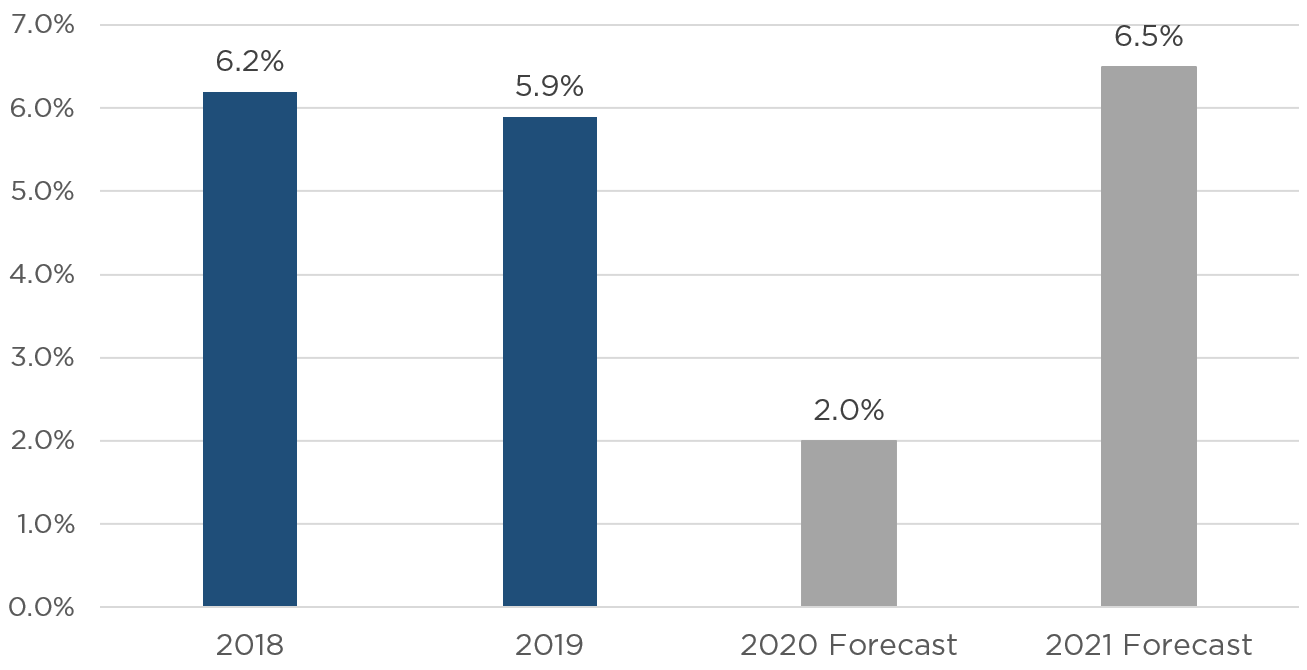
Figure 1: Philippine GDP Growth Forecasts
Source: Asian Development Bank
Fitch Solutions, a consulting and solutions provider firm, forecasted that the growth in the total household spending will slow down as a reaction to restricted access of households to the retail sector. Household expenditure is expected to expand by only 6.7% year-over-year, from the pre-COVID-19 projection of 7% y-o-y, this is below the 9.8% y-o-y growth in 2019.
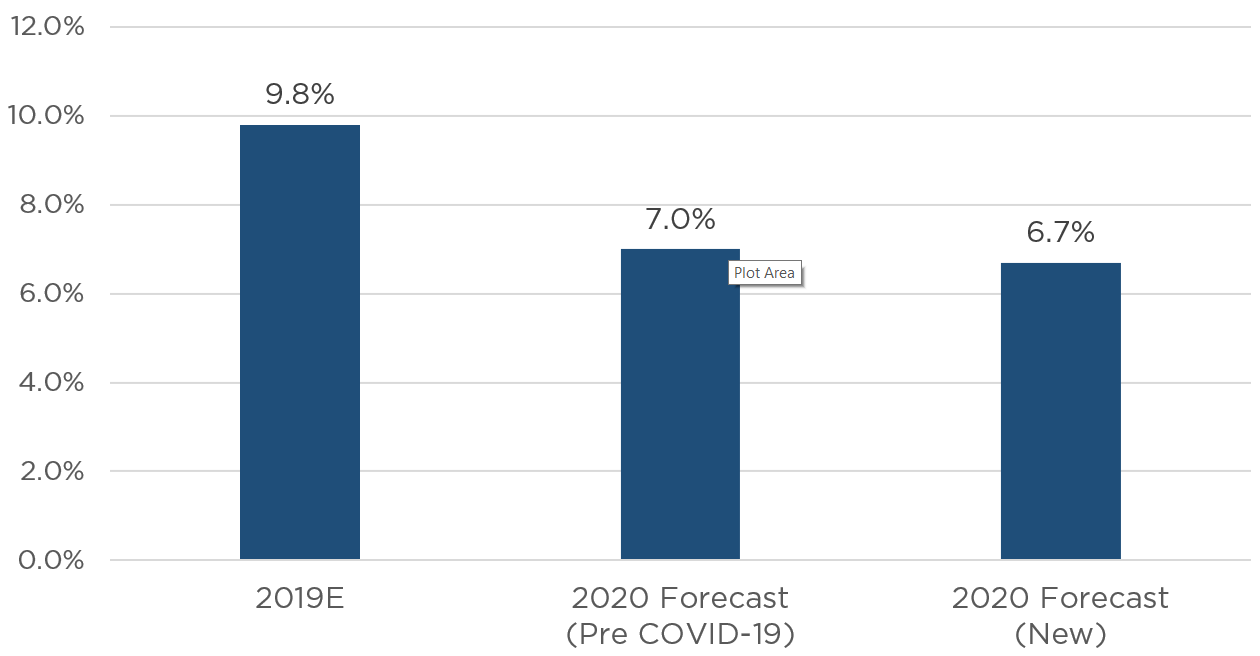
Figure 2: Household Expenditure Growth Forecasts
Source: Fitch Solutions
The restricted living conditions in the country widely affected the retail industry leading to store closures and total suspension of operations. Meanwhile, some businesses are relying on e-commerce as a medium of delivery for basic goods to customers and to mitigate the possibilities of a closure and loss of employment. It is clear that consumer behavior has changed due to the pandemic. Consumers now give more attention to the importance of online shopping, increasing health awareness (and interest in products that maintain well-being), stockpiling of shelf-safe products, and prioritization of infection containment products, such as alcohols, hand soaps, face masks, and aerosol disinfectants.
Online delivery platforms are keeping the sector of food and beverages afloat while lessening the gap in mobility. The Digital Shoppers for Brand Growth research of Kantar implies that Fast-Moving Consumer Goods firms (FMCGs) should strengthen their internet footprint. The said firm revealed that “digitally-enabled shoppers” accounts for 75% of FMCG sales in the country, with a spending worth of PhP38,000 for FMCG goods per year, which is PhP7,000 more than a consumer with no internet access. Maybank expects that there will be a surge in online users for food delivery services in ASEAN countries, with only a 5.5% penetration rate for food delivery service in the Philippines in 2019. The bank also noted that the e-commerce penetration is also relatively low in the country compared to the 30% in South Korea and China and 13% of United States.
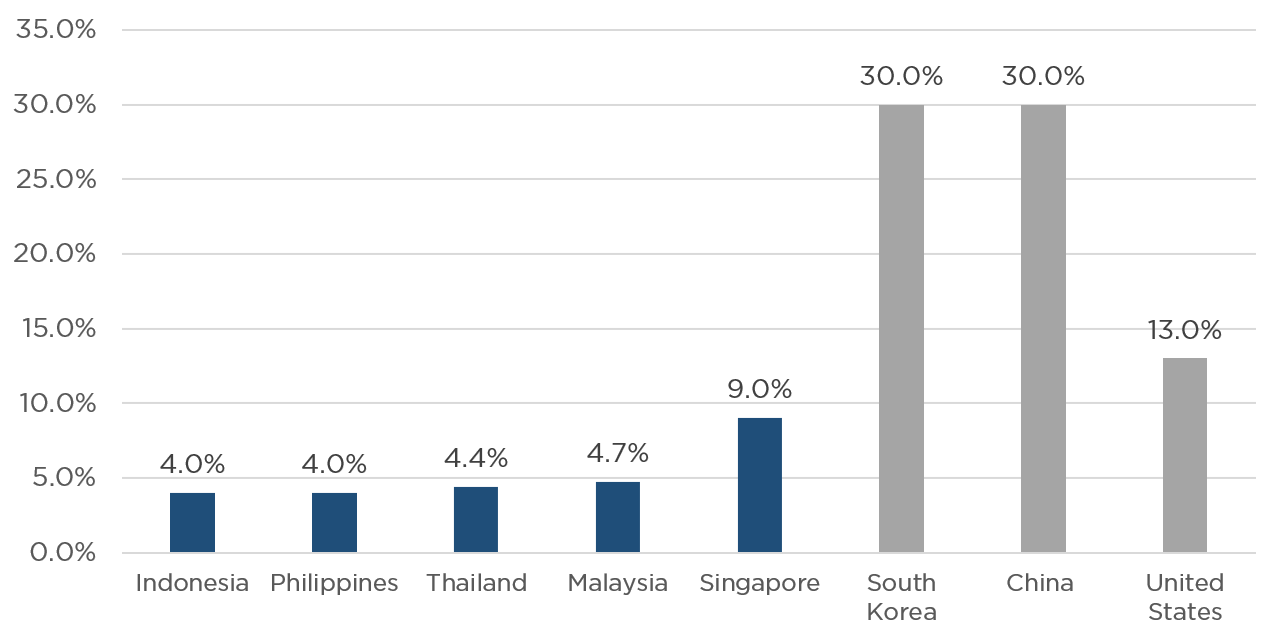
Figure 3: E-Commerce Penetration in Select Countries (ASEAN Countries highlighted in blue)
Source: Euromonitor
During the Luzon lockdown, GrabFood Philippines stated that its drivers’ earnings increased by 30% to 40% and disclosed that Filipinos are ordering about 20% more than the usual. LazMart, one of the service arms of Lazada, also commented that in the first two-weeks of the implementation of the Luzon lockdown, the demand for shelf-safe products, rice, instant noodles, and personal and cleaning items increased drastically Consumers’ pulse is more focused on necessities, thus households are more likely to purchase items that will support basic living rather than luxuries that are not necessarily needed during this pandemic.
These sudden changes in consumer behavior pressure manufacturers to produce more to satisfy the growing demand for disinfectant items, and other necessities. For instance, San Miguel Corporation increased its production of 70% ethyl alcohol to 100,000 liters per day to serve the needs of the medical industry and the country.
As of this writing, the country has an adequate supply of food and markets are still stable, hence disruptions in food supply are still minimal. Problems in mobility are only likely to be seen the longer the community quarantine is implemented. Food demand is inelastic and its effect on overall household consumption will be limited, but altered dietary patterns could be expected. There is a possibility of a decline in the demand for animal protein as a result of consumers’ fear that animals might be the hosts of viruses.
It is likely that consumers would be more cautious when in terms of food intake— altering dietary patterns and consuming less animal protein and prioritizing fresh produce. Overseas, some members of the U.S. Congress agreed with the recommendation of People for the Ethical Treatment of Animals (PETA) to shut down Chinese public wet markets and wildlife trading, since diseases emanate from unusual contact of humans with animals and previous viruses have originated in both chickens and swine, and 75% of emerging infectious diseases originates from animals. Nonetheless, the question is, should we end the demand for animal flesh entirely to prevent another pandemic?
The Food and Agriculture Organization (FAO) of the United Nations stated that the rise in the number of vegetarians and vegan lifestyles and the increasing attention of consumers to animal treatment and meat production processes are new factors that are difficult to assess in terms of their impact on the meat market. The exact figures on the degree of consumers’ willingness to pay a premium for vegan goods remain unclear. The demand for food may potentially shift towards organic, vegan, and healthier alternatives as a reaction to the crisis. While this has a positive effect on the health of the population, it will hinder middle and low-income families, including the urban poor, from adapting to the changes in food supply and eventually the better quality of food will only be concentrated within the families in the upper-income bracket.
The series of lockdown extensions gave more time for the consumers to reassess their eating habits for the new normal. As the developments in the country continue to prosper, lifestyles have adapted to become highly urbanized, busier, and more connected. Food delivery services became rampant in the market giving rise to on-the-go-consumption. The Nielsen Company, a consulting company that provides market and consumer insights, states that 39% of Filipino respondents are choosing to eat at home more in the post-pandemic, 31% of respondents still have the same view on take-out orders, and 26% of Filipino respondents will not change its habit for food delivery.
This pandemic has reoriented every consumers’ actions and behavior toward consumption and food intake. Although, for now, nothing is quite certain if these patterns will prolong and be considered as the new norm because of certain limitations in the untapped aspects of expending. But the household’s income will always dictate how and where money is spent regardless of a pandemic.
Written by: Thea Bathan
______________________________
References:
Addressing the Social and Economic Impact of the COVID-19 Pandemic
https://www.adb.org/news/philippine-gdp-growth-slide-2020-due-covid-19-strong-rebound-seen-2021-adb
https://business.inquirer.net/293492/for-fmcg-firms-its-time-to-up-their-digital-marketing-game
https://business.inquirer.net/295234/ph-e-commerce-gains-during-covid-19-lockdown
http://www.fao.org/2019-ncov/q-and-a/impact-on-food-and-agriculture/en/
_______________________________
Aviso Valuation and Advisory Corp. is a real estate consultancy firm that offers valuation and business advisory services compliant to international standards such as the International Valuation Standards (IVS) and International Financial Reporting Standards (IFRS). To assure that we only produce high-quality deliverables, as needed, we do tasks beyond the usual appraisal process like verifying pertinent property documents (i.e. land titles, tax declarations, etc.) with the appropriate government agencies for due diligence purposes prior the acquisition of the properties.